
Soil Temperatures and Gardening
The question that many amateur gardeners like myself often ask is:
Why are my seeds not germinating and rotting in the soil?
When will the soil be warm enough to sow my seeds or transplant my plants?
Well, I don’t pretend to be an expert in this, but I suspect it has something to do so with the temperature of the soil.
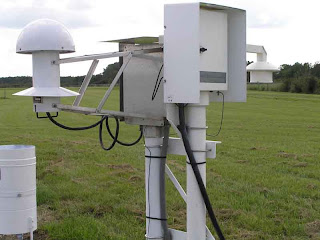
 |
| You can purchase or adapt a thermometer for taking soil temperature measurements |
Lets talk about soil temperatures and how this compare to air temperatures, which is interesting beyond gardening.
The first thing to keep in mind is that the temperatures you hear on TV or read about in the news paper are for the air temperature, in shade, at a height of roughly 2 meters (6 feet). So when meteorologists talk about surface air temperatures…that is what we mean. And such temperatures SHOULD be taken above native vegetation, which is increasingly rare.
Now the temperature of the ground surface is often quite different than the air temperature. During sunny days, ground temperatures can be much warmer than the air temperature (10-40F is not unusual), and on a cold, clear winter night, when the ground radiates heat to space, the ground temperature can be 1-8F cooler than air temperature. After relatively warm periods, heat conduction from the warmed soil below can keep the surface temperature warmer than the air temperature.
Several of these characteristics are evident in this plot of surface and ground temperatures at the WSDOT road weather site at Silica Road (near Quincy in eastern Washington, along I90). Time advances to the left in this figure. The road temperature zoomed up to roughly 105F, while the air temperature was in the low to mid 60s! Wow. And last night the air temperature was cooler than ground temperature as the former dropped in the upper 30s.

Now what about the soil temperatures? The deeper you go the weaker the daily temperature variation becomes, with the soil temperature reflecting the average temperatures of the weeks and months before. Here an example of the soil temperatures at roughly 1 inch (2.4 cm), 6 inches (15 cm), and 12 inches (30 cm). Lots of daily variation in the top inch (in this case a range of 30F), but only a 2F range at 12 inches. And you can it takes a while for the warming to propagate down into the soil.

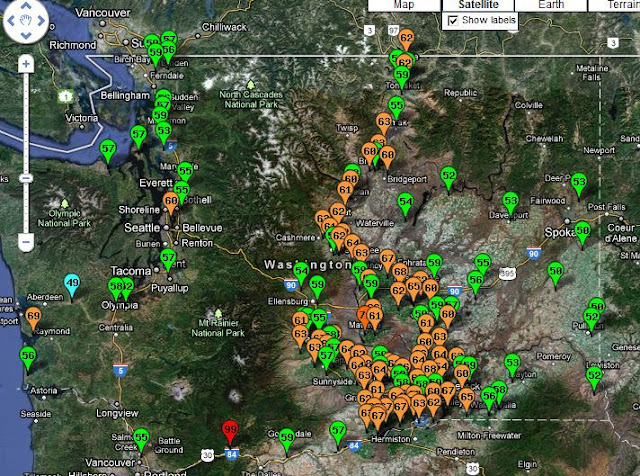
So what are the current soil temperatures around the State? Lets look at soil temps at 8 inches down from the highly useful Washington State University AgweatherNet network. Here are the values today…mid 50s over western Washington and the mid to upper 60s over the western portion of eastern Washington.
Now lets look at the 8-inch deep soil temperatures in Seattle (see graph) since January 1. A steady rise until the cold spell this week, and now it is rising again with the warmer days. Roughly upper 50s F.

Ok, so what does this have to do with the germination of vegetable seeds….and particularly why my bean seeds just rotting in the soil?
Take a look at the typical soil temperature required for germination of various seeds (see below). Big variations. Here is western Washington we are good to go for corn, spinach, carrots, and peas (not shown, but ok at 50F). But beans need soil temps in the 60s. Boy did I make a mistake! Next time I will check the soil temperatures before I sow.

Vegetables or not, soil and ground temperatures are fascinating, and during the winter knowledge about them can save your life when roadway icing is threatening.
You Might Also Like Our Friends' Posts
Comments are closed for this story.


 Choosing from the best US Canadian and international sources, we gather and select weather stories from around the world. World Weather Post not only brings you breaking news about people affected by weather, but also provides insight on how weather is affected by people. You will also find a sense of humour and a curiosity for understanding the weather, climate change and the environment. World Weather Post, where everybody talks about the weather.